
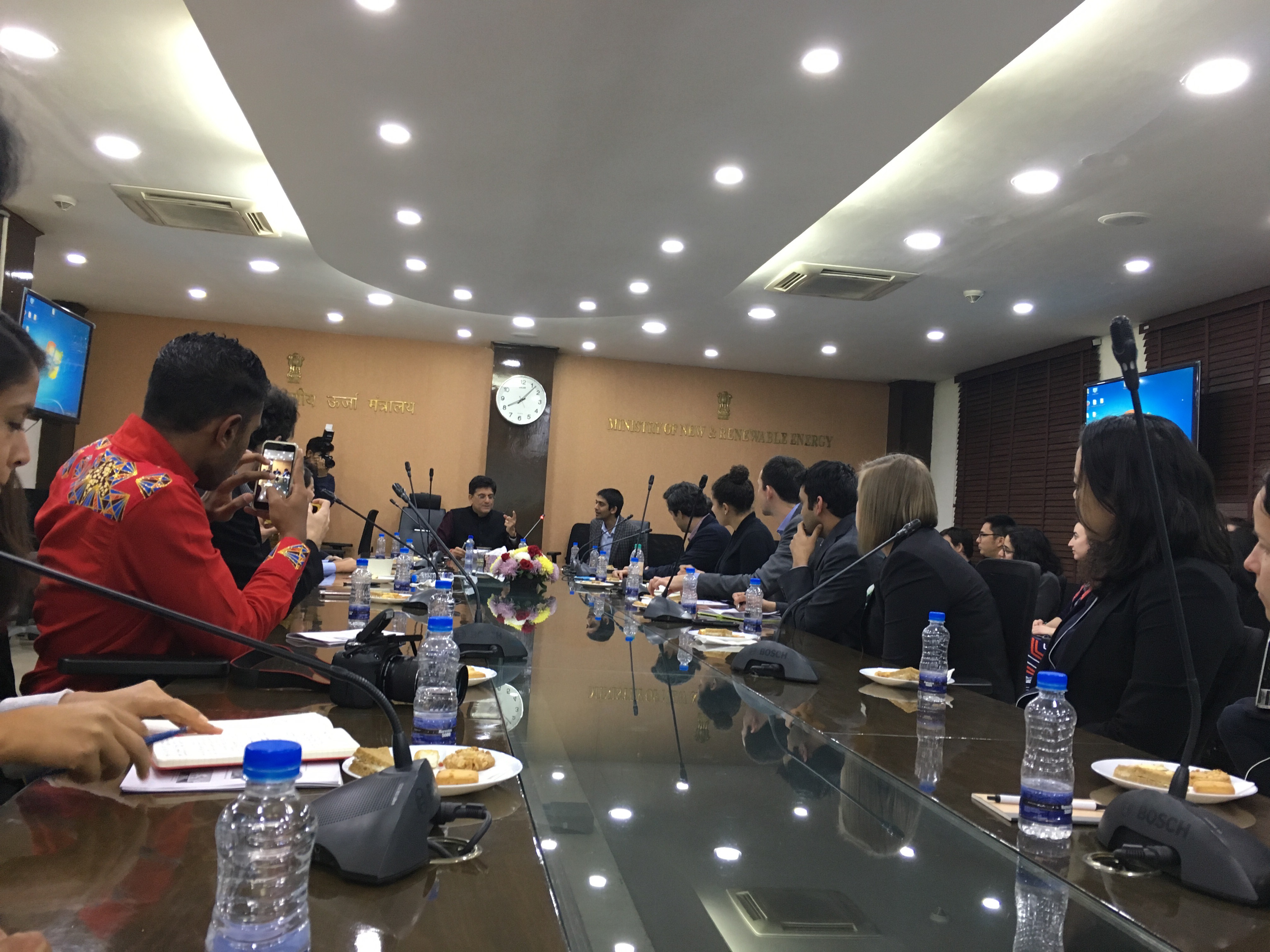
This morning, I am still struggling to comprehend that I am awake let alone in Delhi. Last night, we met with India’s Minister of Energy Piyush Goyal, who secured for us a visit to Parliament as the opposition parties and the government clash over the impacts of Modi’s demonetization.
The government has recently recalled some high-value bank notes, which, due to what critics perceived to be a major failure in policy planning and implementation, has led to a major cash crunch and consequent public uproar in the country. We, as foreigners, have experienced the impacts in our own way – at the airport, we were allowed to exchange just seventy US dollars into rupees as banks ration paper currency.
Currently, there is a mismatch in supply and demand for 500 rupee bank notes. For us foreigners, this means we are unlikely to get change back for larger bills if we do not want to use our credit cards. For us, this is a minor inconvenience. But for others, without access to digital currency or e-wallets, the shift is having very real impacts on day to day life.
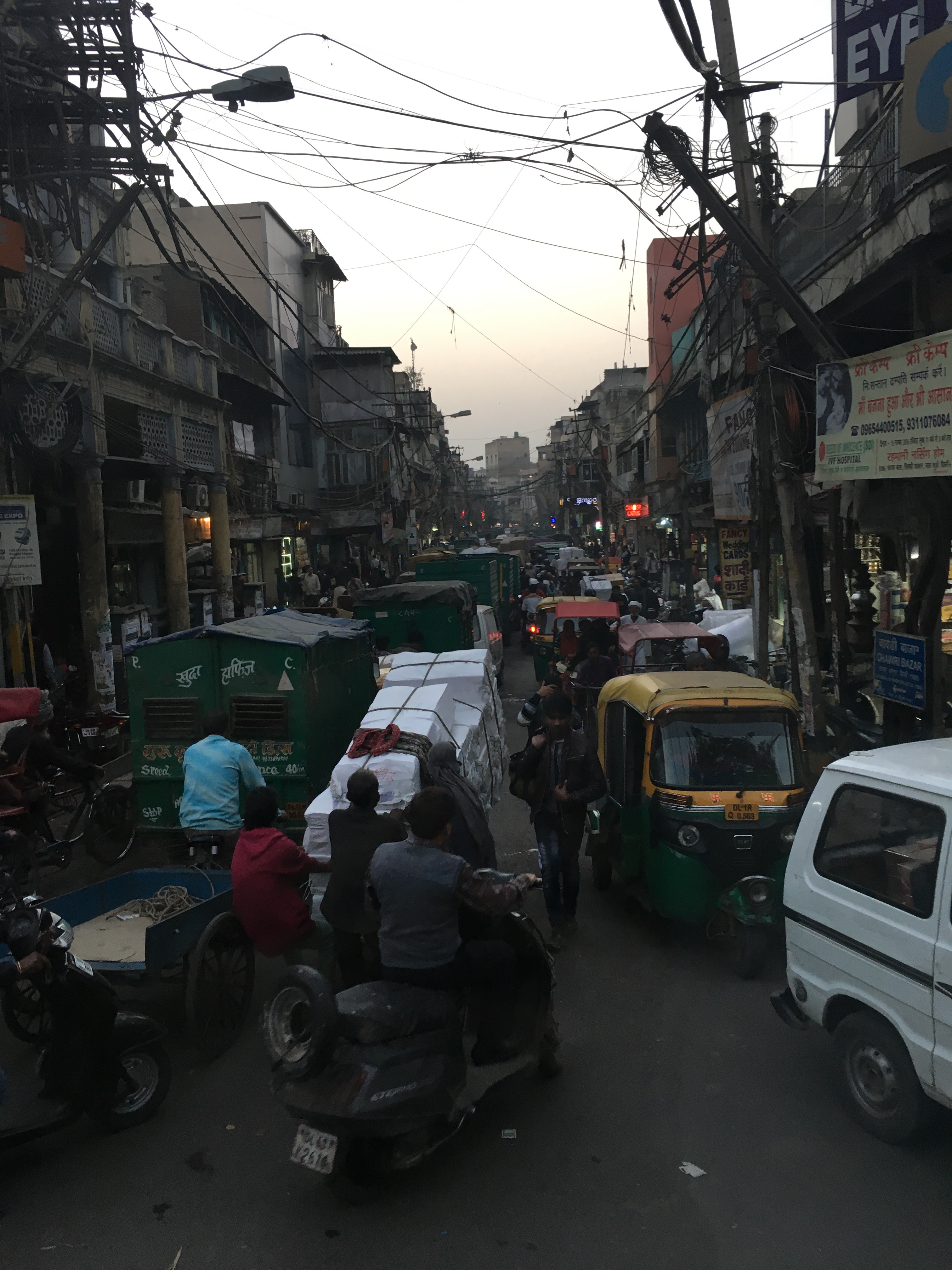
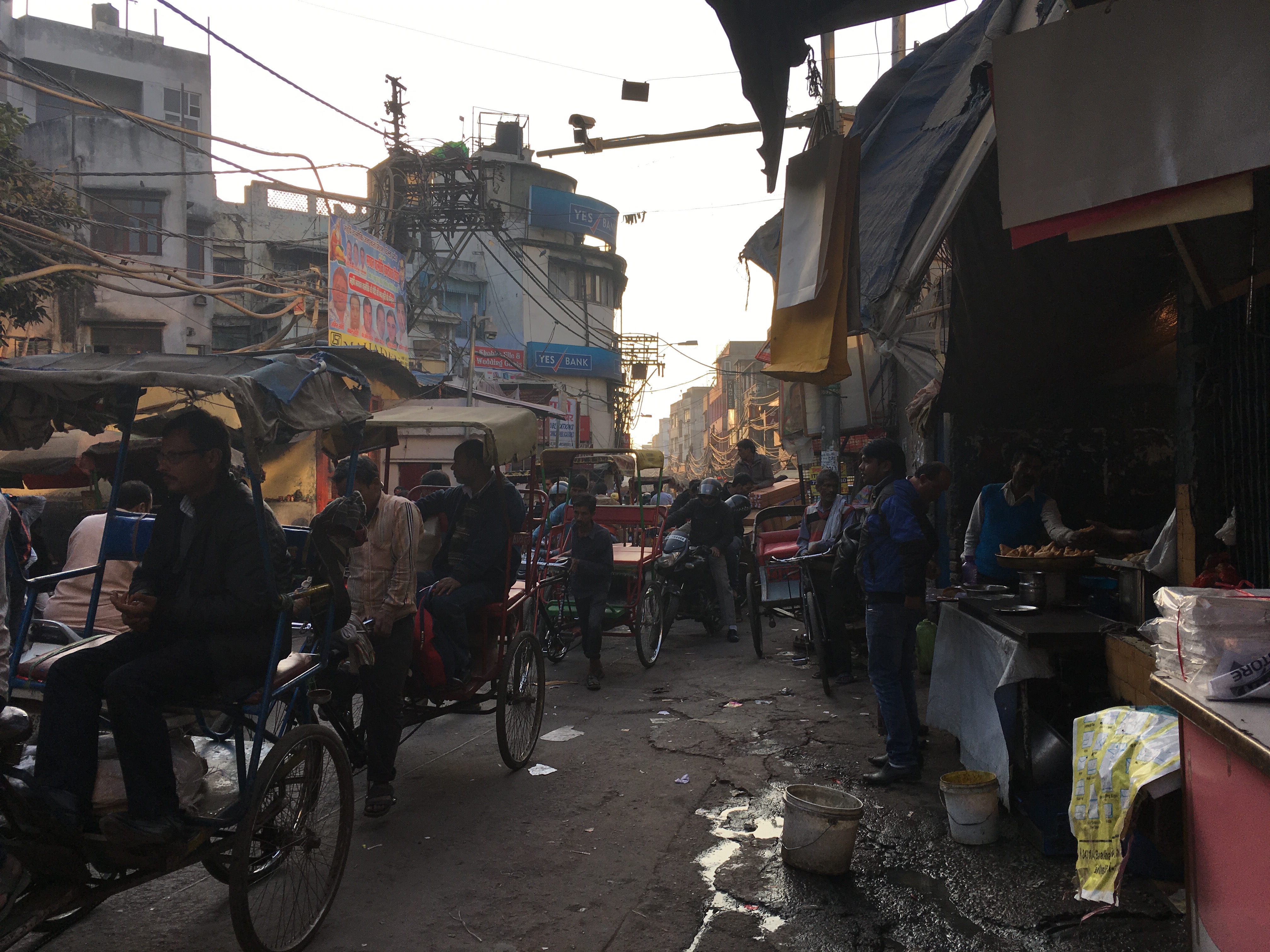
As I write this, Indians are in lines at banks throughout the city attempting to withdraw new currency from local banks that are struggling to meet the demand. To mitigate the strain of long queues, banks have begun to limit transactions to home branch customers only, leaving migrant laborers, students, and those without accounts in Delhi amongst many others empty-handed. This cash crunch is disproportionately impacting the already disadvantaged poor without access to credit or cashless banking options let alone electricity.
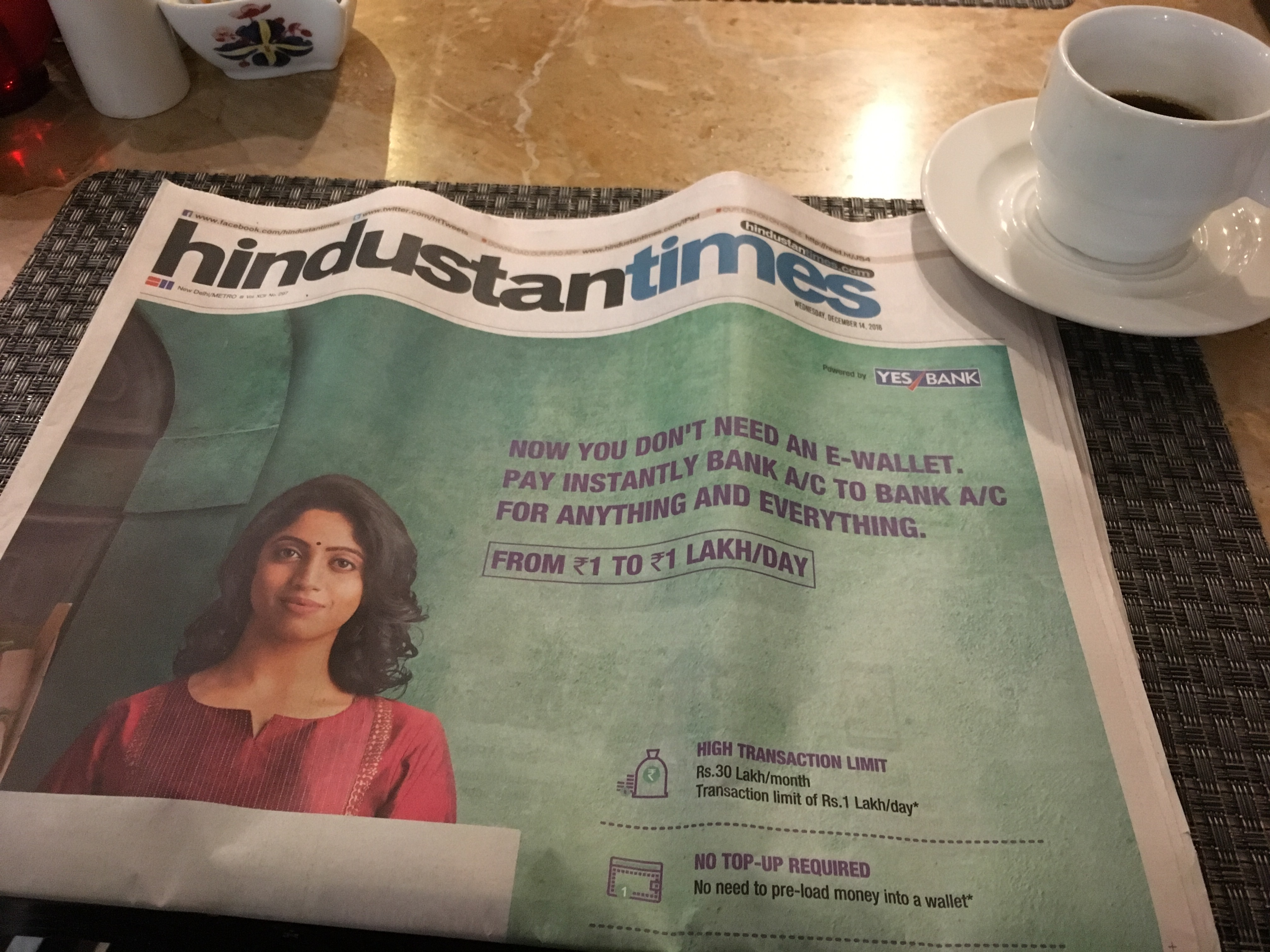
The Opposition Congress appears ready to make this a major political pressure point in the lead up to critical elections. Congress Vice President Rahul Gandhi called demonetization as “waging a war” on the poor. Delhi Chief minister Arvin Kejriwal, in today’s Hindustan Times, more bluntly called into question Modi’s intellectual capacity, saying he is “less educated and did not understand the issue enough before deciding on demonetization. Does he understand economics or he took a decision just like that?”

Last night, Minister Shashi Tharoor argued, India simply does not have the infrastructure backbone to support such a drastic shift, despite what appears to be a well-intentioned effort to tackle corruption and tax evasion and push the country into the world of digital wallets and e-payments.
In last night’s conversation, Minister Goyal defended the Modi administration, asserting that they’ve refused more politically palatable quick fixes in favor of designing a strong foundation and framework for sustainable, exponential growth that will lift India’s poorest of the poor out of poverty in the long-term.
In an hour, we’ll get a rare chance to see policy makers engage in this battle up close on the last day of Parliament’s Winter Session.
 Ian s
Ian s 